Start a semiconductor equipment parts RFQ with the function of the part and the conditions it sees. A wafer-handling end effector needs controlled contact and repeatable pick and place. A fused quartz process part needs a grade and geometry that suit its exposure. A ceramic piece in test equipment needs agreed alignment, loads and functional checks. Send the drawing revision, mating interface, service conditions and sample acceptance requirements with the enquiry.
What should a wafer-handling end effector drawing show?
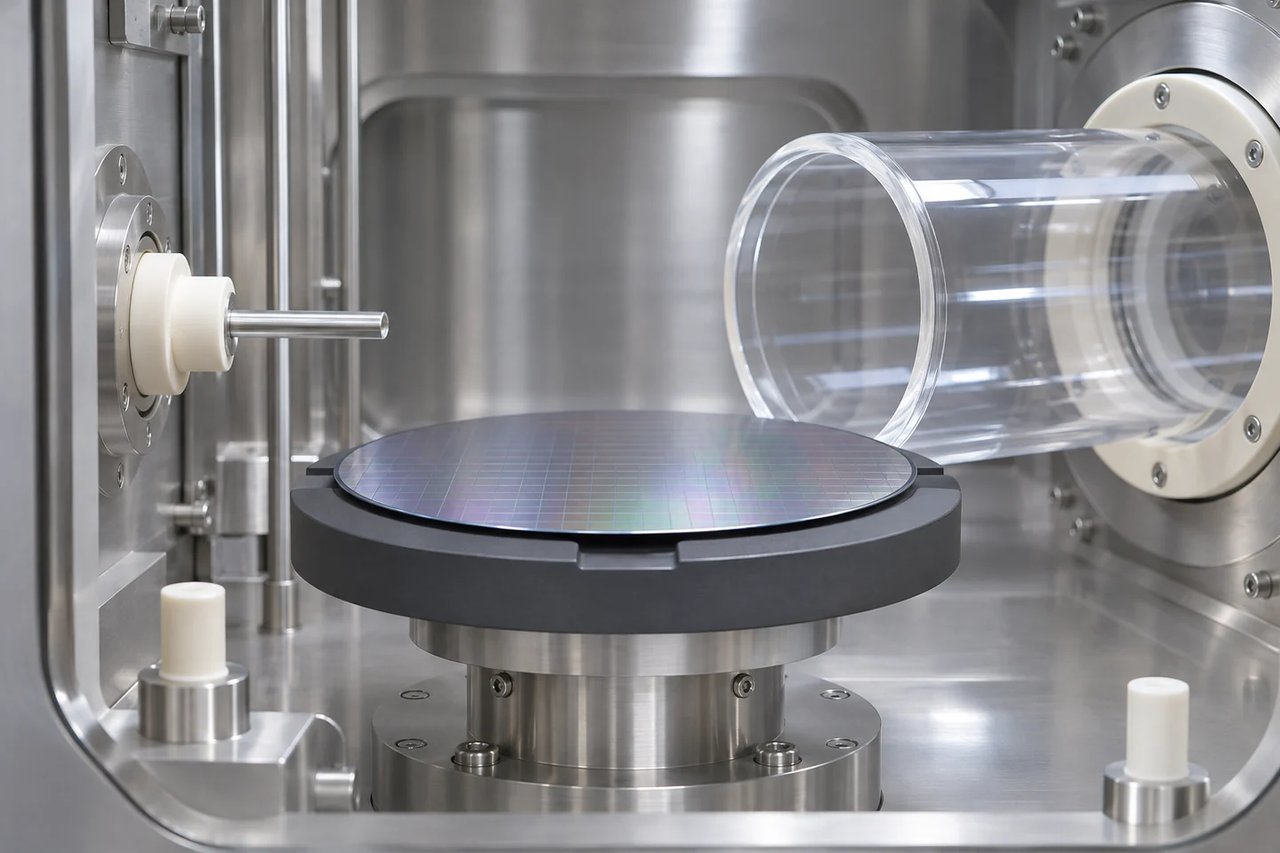
Specify wafer diameter and thickness range, contact areas, mounting datums, height and alignment, and the allowable edge condition. If the design uses vacuum, show the ports, channels and sealing interface. Agree how contact marks, particles and pick-and-place repeatability will be checked on the installed setup. Ceramic wafer-handling end effector drawing checklist.
What should I specify for a fused quartz process part?
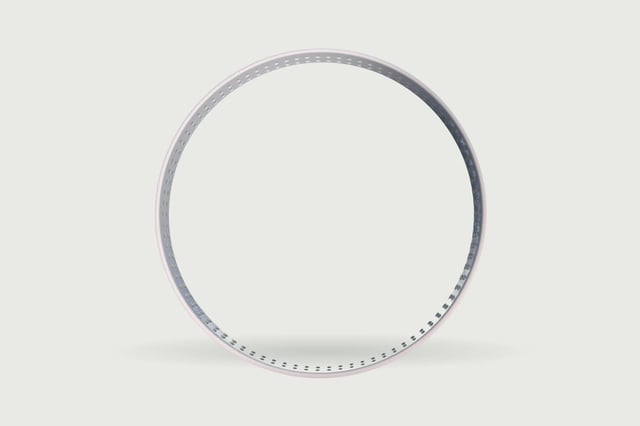
For a process tube, boat or carrier, identify the required grade and specify any impurity limit or material record the process requires. Give the peak and normal operating temperatures, process atmosphere or chemistry, thermal cycling and cleaning method. Mark functional geometry such as slots, seating faces or mating joints. Agree how to check chips, surface condition and dimensions before release. Fused quartz parts guide for Singapore equipment teams.
How should I qualify a ceramic part in semiconductor test equipment?
State whether the piece locates, supports, electrically isolates or transfers heat. Identify the mating surfaces, contact or clamping loads, installed position, and the test temperature range. Agree which measurements to repeat in the mounted state. Specify insulation, thermal or repeatability checks only as needed for the fixture's function, with conditions and pass criteria. Qualifying ceramic parts for semiconductor test equipment in Malaysia.
What changes when the ceramic is held in a metal fixture?
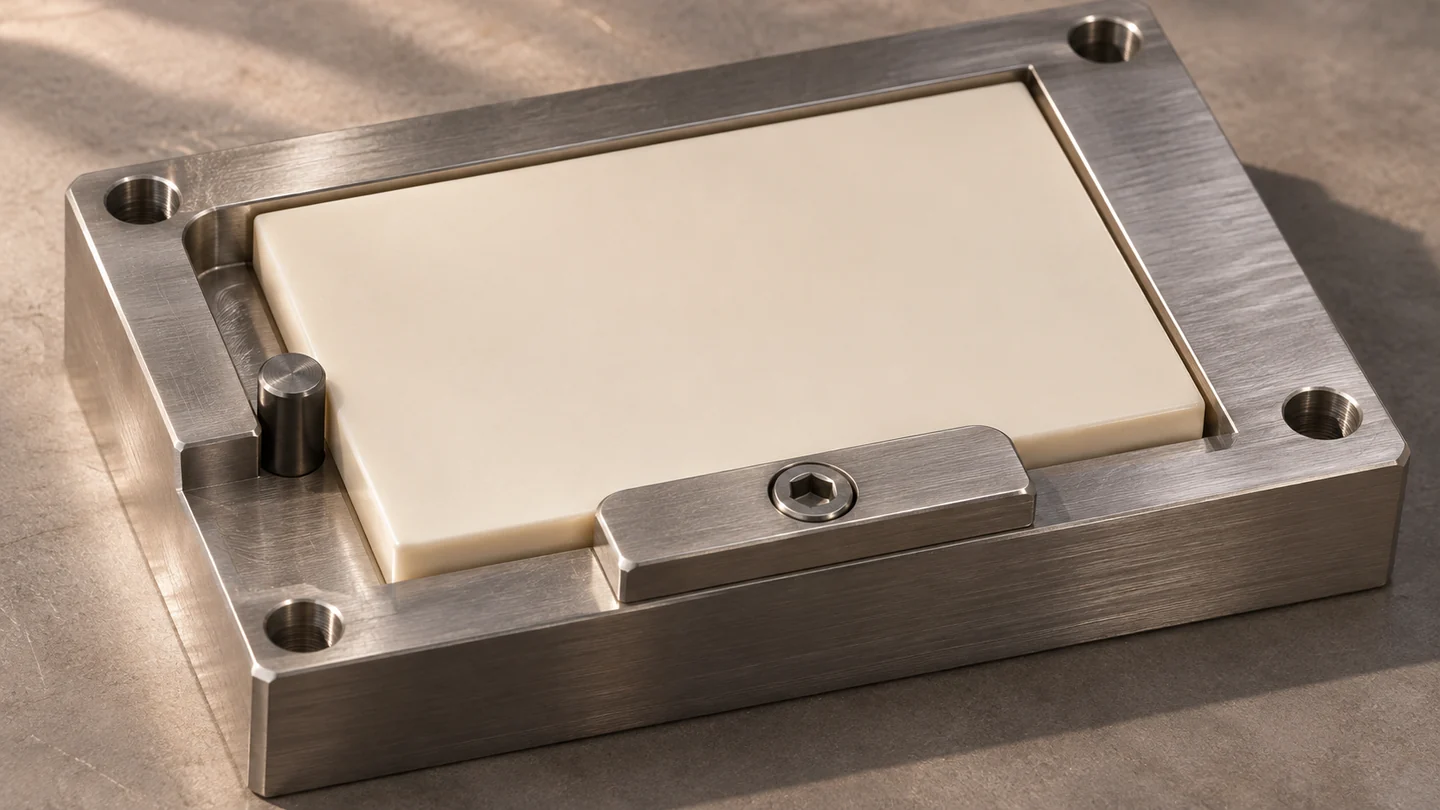
Show the seating face, locating datums, clearance zones and retention load path in the assembly section. Review the tolerance stack at assembly and operating temperatures using the actual material pair. Agree how to check seating, alignment and edge condition after clamping or thermal cycling. Drawing checklist for ceramic parts mounted in metal fixtures.
What evidence should come with the first sample?
Agree which drawing characteristics will be measured, the inspection setup and acceptance limits, and how the sample ID connects to the material and batch. Separate loose-part dimensions and finish from installed performance. Specify any assembly, cleanliness or functional checks needed before release and who will carry them out. First-article inspection and batch traceability guide.
What should the RFQ include?
- Current ceramic and mating-part drawings, controlling units, material grade or requirements, and part function.
- Operating temperature, environment and loads, plus the features that determine fit and performance.
- Sample and repeat quantities, sample acceptance criteria, requested records, and delivery location.
Jiwei's typical window from drawing review to first sample completion is 4–8 weeks. The schedule is confirmed after project review. Shipping, installation, qualification on the equipment and repeat orders have separate schedules.
Prepare the quotation request for your delivery destination. Singapore RFQ · Malaysia RFQ · United States RFQ