Silicon carbide
Silicon carbide
Explore material options for wear, thermal and chemical-process component enquiries.
Start with the application
Clarify the processing route and chemical environment. Sintered and reaction-bonded grades are not interchangeable; approve the actual material datasheet before purchase.
What to specify
- Material designation
- SiC
- Grade & performance
- Use the actual supplier datasheet and test conditions; no numerical values are asserted in this preview.
- Finished component
- Define dimensions, critical features, finish and acceptance criteria on the agreed drawing.
Material performance
Six-axis performance profile
- 1 Limited
- 2 Moderate
- 3 Strength
Bands run from the center outward. Unrated axes have no marker.
- HardnessStrength
Sintered Star Ceram S is 25 GPa under HV10 using DIN EN 843-4.
KYOCERA ceramic data sheets - Wear resistanceStrength
KYOCERA identifies sintered silicon carbide for abrasive media and sliding contacts. Confirm against your wear mode and contact pair.
KYOCERA sintered silicon carbide - High-temp strengthStrength
For family screening, KYOCERA measured 548 MPa at 1,000 °C in four-point bending for SiC SC1000. Obtain grade-specific data for Star Ceram S.
KYOCERA four-point bending at temperature - Thermal shockModerate
KYOCERA lists an R₁ thermal-shock coefficient of 180 K for Star Ceram S. Check the rate of temperature change and part geometry.
KYOCERA ceramic data sheets - Thermal conductivityStrength
Star Ceram S is 125 W/(m·K) over 20–100 °C using the catalog’s Procedure B.
KYOCERA ceramic data sheets - Corrosion / chemicalStrength
KYOCERA describes dense sintered silicon carbide as resistant to many aggressive media. Verify compatibility at your concentration and temperature.
KYOCERA sintered silicon carbide
Material selection reference data
SiC · KYOCERA · Star Ceram S
The values below apply to the cited manufacturer and grade. A dash means no comparable value was available in the cited source.
| Property | Reference value |
|---|---|
| Hardness (HV10, GPa) | 25.0DIN EN 843-4. |
| Thermal conductivity (W/m·K) | 12520–100 °C, Procedure B, as listed by KYOCERA. |
| Thermal shock coefficient (R₁, K) | 180Manufacturer’s R₁ coefficient. A quench-test temperature difference uses a separate measure. |
Hardness testing standards for oxide and non-oxide ceramics differ. Compare values only when the method and test conditions match.
KYOCERA ceramic data sheetsIdentifying the wear surface
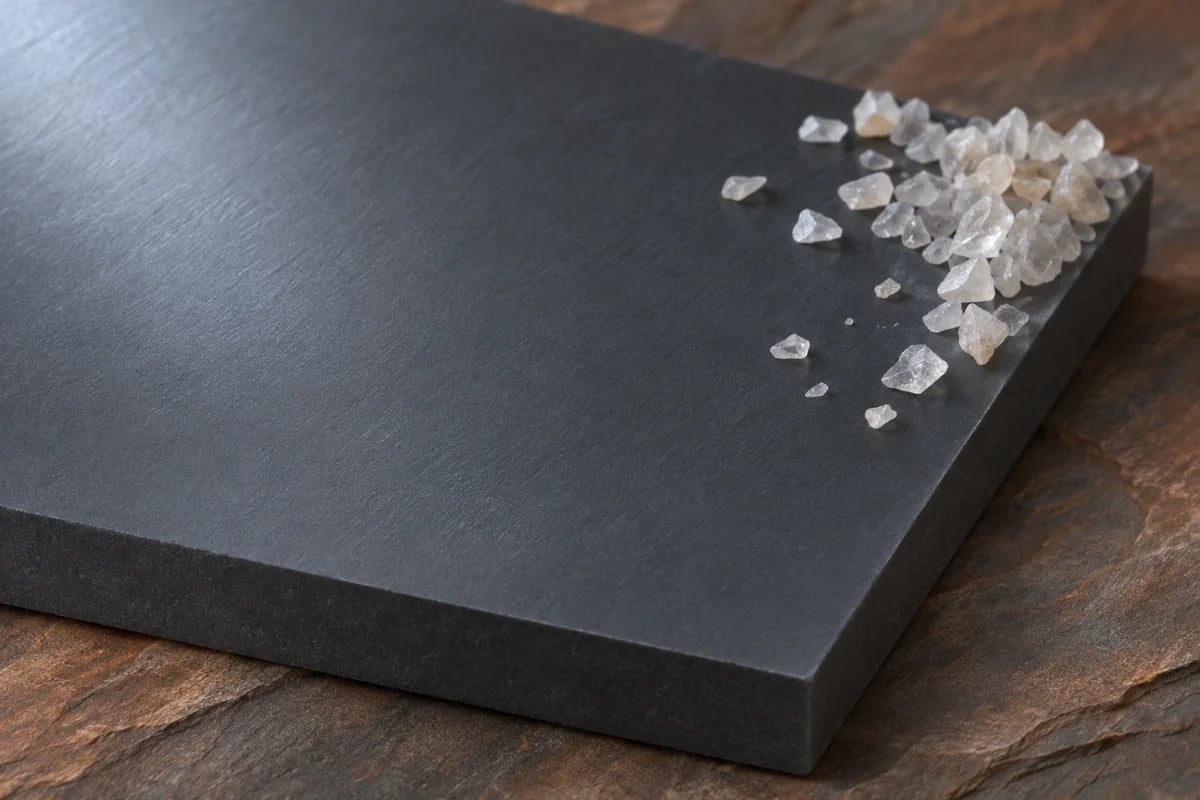
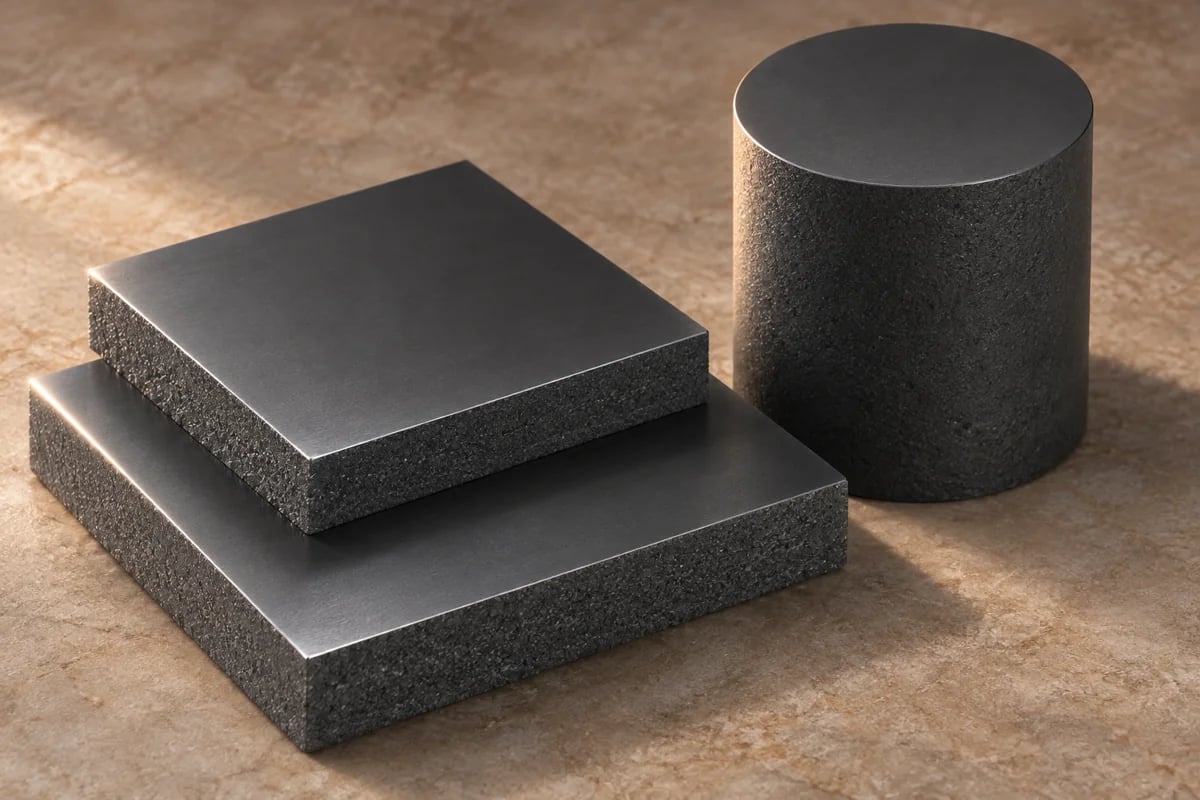
The illustrations show example wear surfaces and a liner cross-section. Mark the exposed faces on your drawing and describe the particles or process fluid they encounter.
Before you enquire
- What should I include in a ceramic part enquiry?
- Start with a drawing reference, material preference, quantity, working conditions and critical dimensions. If the grade is open, describe the function and constraints first.
- Can I start without a complete drawing?
- Yes, the enquiry can start from a functional brief. Final feasibility, dimensions and acceptance criteria still need to be agreed before an order.
- What do the custom component examples show?
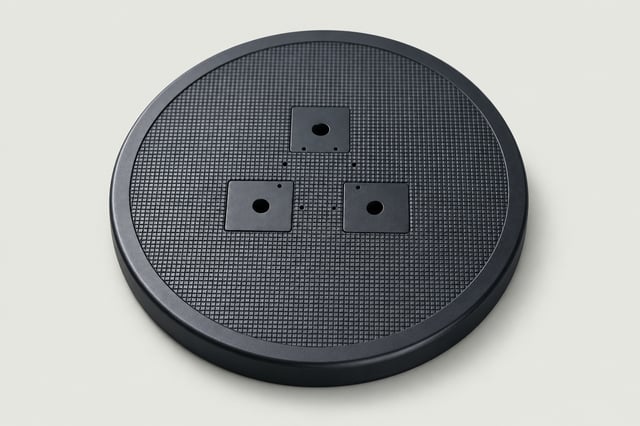
- The examples show shapes and material families from previous custom projects. Jiwei confirms the grade, dimensions, tolerances and acceptance criteria for each new drawing and operating environment.
Related custom component examples
Discuss your material and drawing
Describe the function, quantity and any critical requirements.
Request a quotePipe liner cross-section
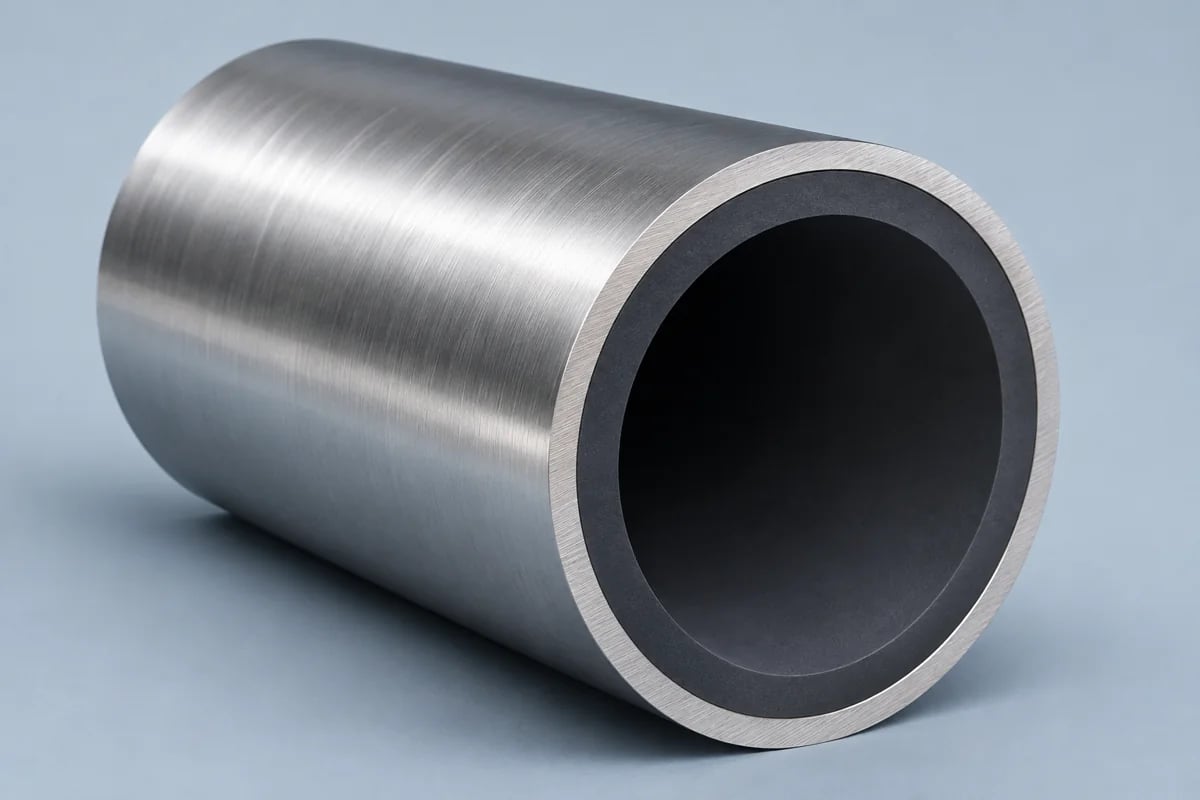
Abrasive particles at a wear surface