Aluminum nitride
Aluminum nitride
A material family to consider when heat flow and electrical insulation are both relevant.
Start with the application
Start with the thermal path and electrical design. Surface finish, mating interfaces, moisture exposure and the exact grade require a project-specific review.
What to specify
- Material designation
- AlN
- Grade & performance
- Use the actual supplier datasheet and test conditions; no numerical values are asserted in this preview.
- Finished component
- Define dimensions, critical features, finish and acceptance criteria on the agreed drawing.
Material performance
Six-axis performance profile
- 1 Limited
- 2 Moderate
- 3 Strength
Bands run from the center outward. Unrated axes have no marker.
- HardnessLimited
Jiwei rates hardness as limited for initial material selection. Confirm the hardness of the selected grade if the part must resist indentation.
- Wear resistanceLimited
Wear resistance is limited. For sliding or abrasive service, evaluate the mating material, load and wear mechanism.
- High-temp strengthModerate
High-temperature strength is moderate. For load-bearing parts, check the strength of the selected grade at the operating temperature.
- Thermal shockModerate
Thermal-shock resistance is moderate. Evaluate the temperature change, heating and cooling rates, and part geometry for the intended cycle.
- Thermal conductivityStrength
KYOCERA lists 170 W/(m·K) as a typical AlN170 value. Its reference omits test temperature and method.
KYOCERA AlN170 material properties - Corrosion / chemicalStrength
Strong corrosion resistance is a benefit of aluminum nitride. Confirm compatibility of the selected grade with the actual medium, concentration and operating temperature.
KYOCERA AlN family properties
Material selection reference data
AlN · KYOCERA · AlN170
The values below apply to the cited manufacturer and grade. A dash means no comparable value was available in the cited source.
| Property | Reference value |
|---|---|
| Hardness (HV10, GPa) | — |
| Thermal conductivity (W/m·K) | 170Test temperature and method are unspecified in this source. |
| Thermal shock coefficient (R₁, K) | — |
Hardness testing standards for oxide and non-oxide ceramics differ. Compare values only when the method and test conditions match.
KYOCERA AlN170 material propertiesDescribing the thermal interface
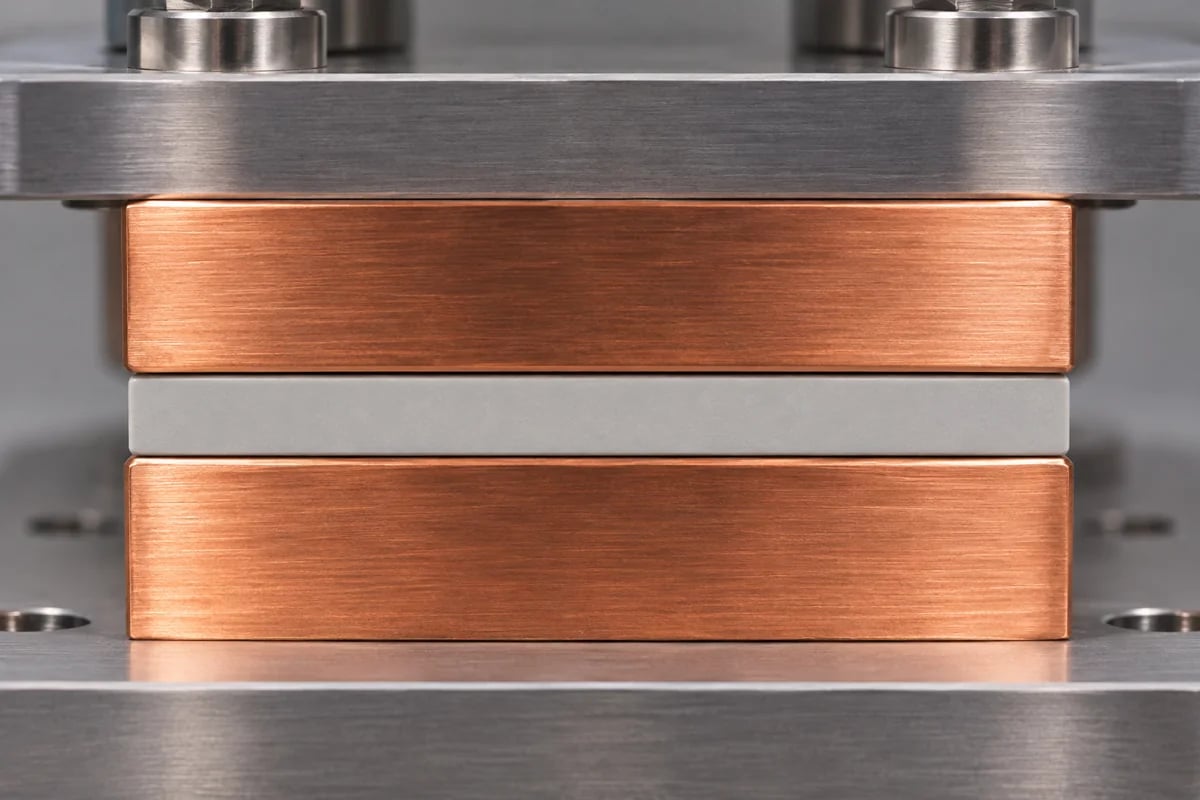
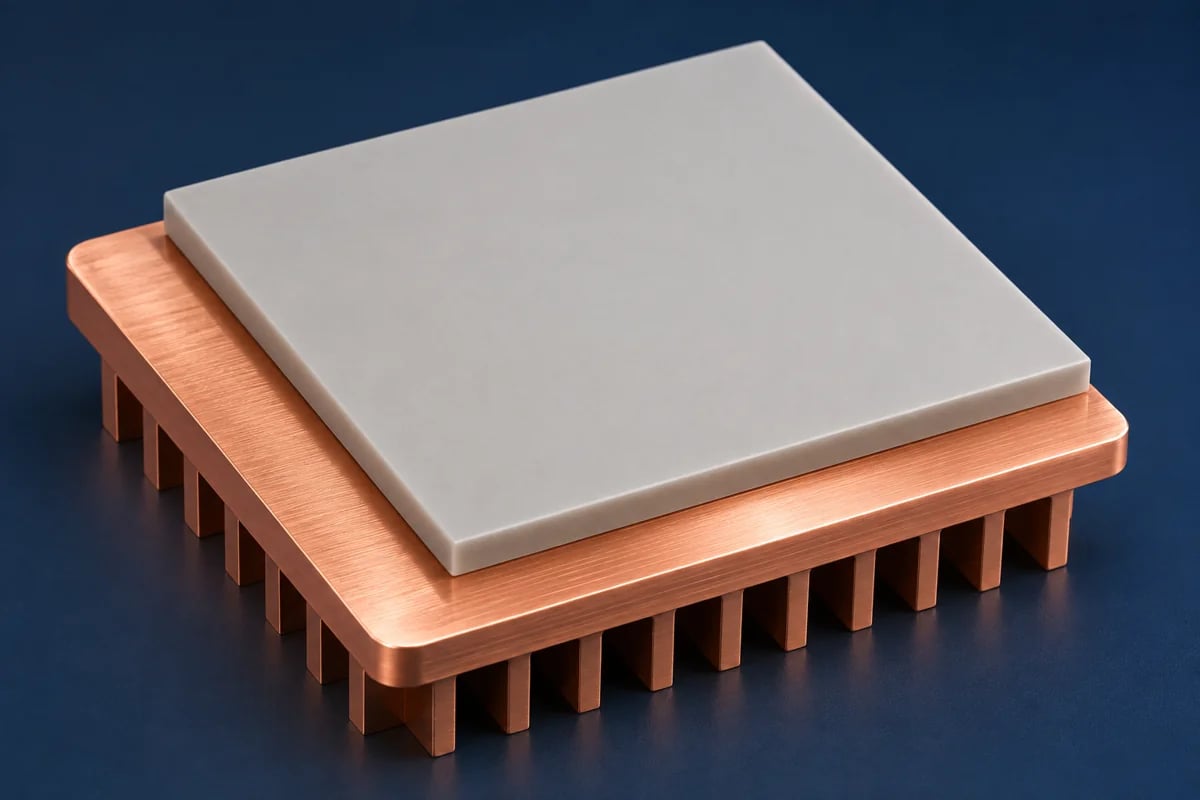
The illustrations show how a ceramic layer meets adjacent metal parts. Identify the heat source, heat sink and mating surfaces in your assembly.
Before you enquire
- What should I include in a ceramic part enquiry?
- Start with a drawing reference, material preference, quantity, working conditions and critical dimensions. If the grade is open, describe the function and constraints first.
- Can I start without a complete drawing?
- Yes, the enquiry can start from a functional brief. Final feasibility, dimensions and acceptance criteria still need to be agreed before an order.
- What do the custom component examples show?
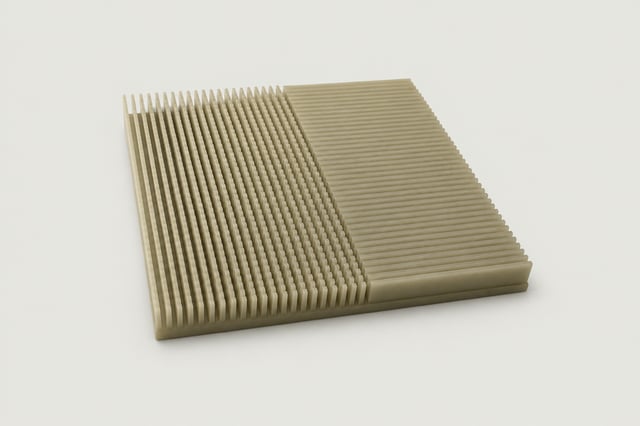
- The examples show shapes and material families from previous custom projects. Jiwei confirms the grade, dimensions, tolerances and acceptance criteria for each new drawing and operating environment.
Related custom component examples
Discuss your material and drawing
Describe the function, quantity and any critical requirements.
Request a quoteContact surfaces in a thermal path